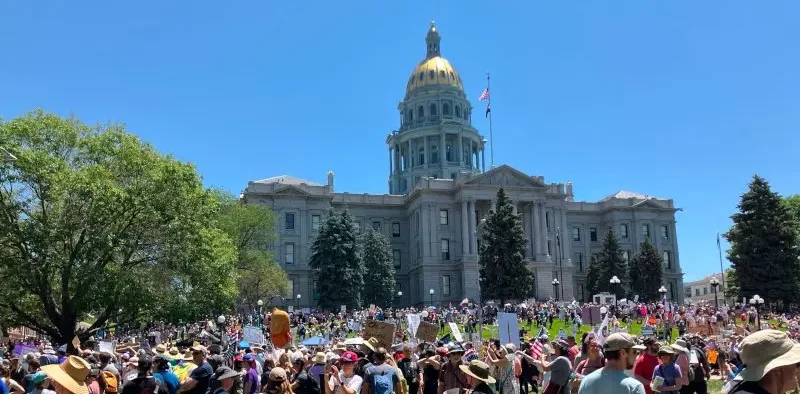
How to Save Democracy

I recently watched a film titled How To Save Democracy which is a subject that I have been researching since 2016 when the United States was first rated as a “Flawed Democracy” by the Economist Intelligence Unit’s Democracy Index.

The Film

The film spent alot of time interviewing people about the problems of our democracy.

From the Film’s web site

How To Save Democracy is an incisive and provocative documentary feature film that explores the roots of democracy, its ebbs and flows over its history in the U.S. and why it is currently struggling to continue. Its cast of interview subjects include:

  • Marilynne Robinson, Pulitzer Prize winning novelist and political essayist;
  • Jesse Eisinger, Pulitzer Prize winning journalist and senior editor at ProPublica;
  • George Monbiot, British author, journalist and environmental activist;
  • David Dayen, executive editor, The American Prospect;
  • David Daley, author, “Ratf**ked: Why Your Vote Doesn’t Count”;
  • Les Leopold, author, “Wall Street’s War on Workers”;
  • Madiba K. Dennie, author, “The Originalism Trap”;
  • Michelle Shenandoah, Oneida Nation, Professor of Indigenous Law, Founder, Rematriation;
  • Brianna Cea, Founder and Executive Director, Generation Vote.

The real solutions came at the end in 4 slides of steps to create a economic democracy and a political democracy in the United States. The film asserts that you cannot have a successful Political Democracy without a functioning Economic Democracy.

The Plan

Economic Democracy

  1. End Citizens United
  2. Apply existing anti-trust laws
  3. Return Glass-Steagall
  4. Ban stock buybacks
  5. Put strict regulations on the large banks
  6. Create public banks
  7. Universal health care
  8. Return the marginal tax rates to the level of the 1950s
  9. Free public college
  10. Raise minimum wage
  11. Enact a Windfall Profits tax

Political Democracy

  1. Eliminate the Electoral College
  2. Eliminate the Filibuster
  3. End Gerrymandering
  4. Make the Senate more proportionate or take away its power
  5. Increase the size of the House
  6. Rewrite the Constitution
  7. Enact the John Lewis Voting Rights Act
  8. Term Limits on the Supreme Court
  9. Ranked Choice voting
  10. Create multi-member House districts
  11. Create a participatory and deliberative democracy

This plan seems a reasonable platform for saving our democracy. I plan on investigating each of the steps in detail in the future.
Improving Digital Literacy

Digital literacy refers to the ability to find, evaluate, create, and communicate information through digital technologies. Digital literacy is increasingly crucial for protecting democracy in our interconnected world. In the context of protecting democracy, it’s particularly focused on:

  1. Information evaluation:
  2. Spotting misinformation and disinformation:
  3. Understanding data privacy and security:
  4. Media creation and sharing:
  5. Critical thinking in the digital space:
    • Questioning the motivations behind online content.
    • Recognizing emotional manipulation in digital media.
    • Understanding filter bubbles and echo chambers.

To improve digital literacy:

  1. Education: Support digital literacy programs in schools and communities.
  2. Fact-checking: Familiarize yourself with fact-checking websites and teach others how to use them.
  3. Media diversity: Encourage consumption of diverse media sources to get a balanced perspective.
  4. Tech awareness: Stay informed about emerging technologies and their potential impacts on democracy.
  5. Online etiquette: Promote responsible online behavior and civil discourse.
  6. Platform knowledge: Understand how different social media platforms work, including their algorithms and content moderation policies.
  7. Data rights: Learn about data protection laws and advocate for strong privacy regulations.
  8. Cybersecurity practices: Adopt and promote good cybersecurity habits, like using a password manager, strong passwords and two-factor authentication.

By improving digital literacy, individuals can better navigate the complex online information landscape, make informed decisions, and contribute to a healthier democratic discourse.

Protecting Democracy

Experts predict a 19.2% four-year likelihood of democratic breakdown in the United States as of 2022.1

When democracy breaks down, it typically takes many years, often decades, to reverse the downward spiral. In the process, violence and corruption typically flourish, and talent and wealth flee to more stable countries, undermining national prosperity. It is not just our venerated institutions and norms that are at risk—it is our future national standing, strength, and ability to compete globally.2

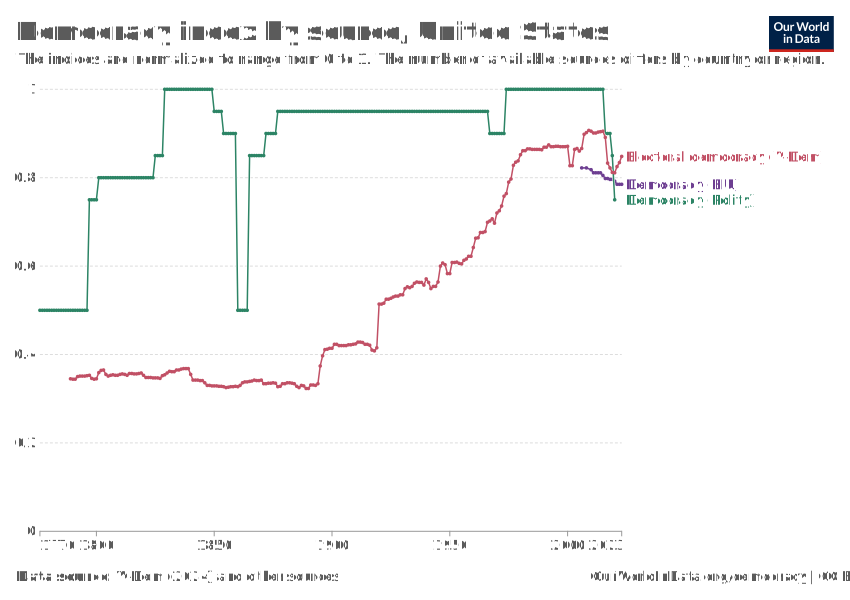
As the chart below shows, by several indices, the United States’ democracy is in decline in recent years.

Our World in Data

There are many ways individuals can help protect and strengthen democracy in the United States. Here are some key actions you can take:

  1. Stay informed:
  • Follow reputable news sources to stay up-to-date on current events and political issues.
  • Fact-check information before sharing it to combat misinformation.
  1. Vote:
  • Register to vote and participate in all elections, including local ones.
  • Research candidates and ballot measures before voting.
  1. Engage in civic participation:
  • Attend town halls and local government meetings.
  • Contact your representatives about issues that matter to you.
  • Consider volunteering for campaigns or running for local office.
  1. Support a free press:
  • Subscribe to quality journalism outlets.
  • Advocate for press freedoms and protections for journalists.
  1. Promote civil discourse:
  • Engage in respectful political discussions with those who have different views.
  • Practice active listening and seek to understand others’ perspectives.
  1. Protect voting rights:
  • Support organizations working to ensure fair and accessible elections.
  • Volunteer as a poll worker or election observer.
  1. Strengthen democratic institutions:
  • Advocate for reforms that enhance government transparency and accountability.
  • Support nonpartisan redistricting efforts to combat gerrymandering.
  1. Educate others:
  • Discuss the importance of civic engagement with friends and family.
  • Support civics education in schools.
  1. Participate in peaceful protests and demonstrations:
  • Exercise your First Amendment rights to assembly and free speech.
  1. Support civil society organizations:
  • Donate to or volunteer with organizations that promote democratic values and civil rights.
  1. Promote digital literacy:
  • Learn and teach others how to identify online manipulation and disinformation.
  1. Encourage diverse representation:
  • Support candidates and initiatives that promote diversity in government.

  1. https://protectdemocracy.org/threat-index/↩︎
  2. https://www.newamerica.org/political-reform/statements/statement-of-concern/↩︎